Logistics environments can be hazardous. High-stress situations and heavy machinery contribute to risks that are often underestimated. Businesses are eager to learn how to reduce accidents in logistics environments. Implementing effective strategies is essential for safety and efficiency.
Many factors play a role in accidents. Poor training, inadequate communication, and insufficient safety protocols can lead to dangerous situations. Employees must be aware of their surroundings. It’s vital that they receive proper education on equipment and procedures. Creating a safety-first culture can significantly decrease risks in the workplace.
Focusing on safety not only protects employees but also improves productivity. Companies will benefit from lower insurance costs and fewer disruptions. By examining past incidents and making meaningful changes, leaders can create a safer logistics environment. Awareness and commitment are the first steps toward reducing accidents.
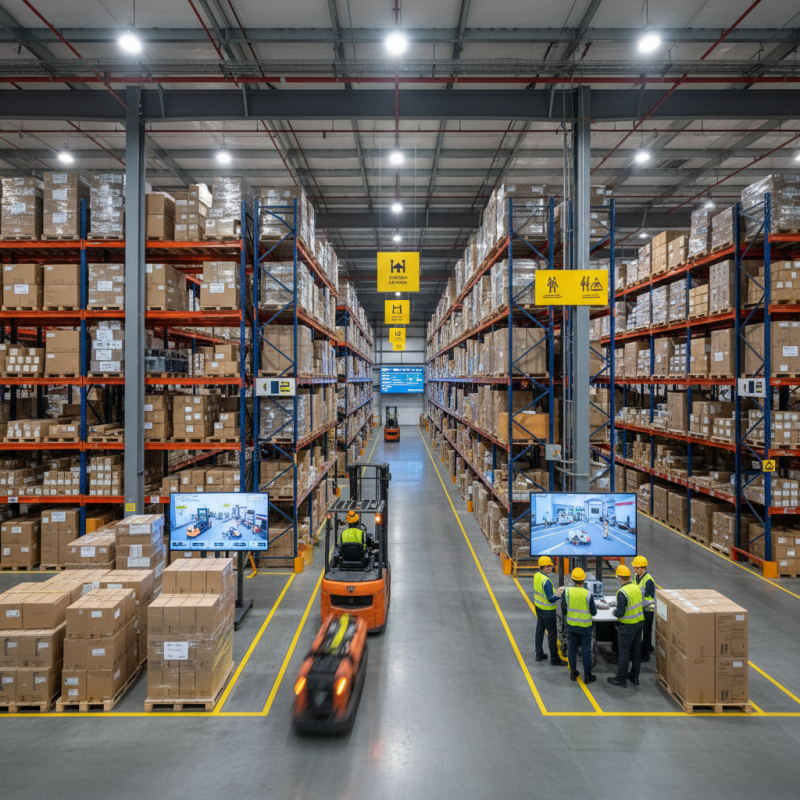
Logistics environments are often bustling hubs of activity, making them prone to various hazards. One common hazard is improper handling of materials. Workers may lift heavy loads without proper technique or equipment. This can lead to injuries and accidents. Training employees on effective lifting methods is essential. It can significantly decrease the risk of strain injuries.
Another critical issue is vehicle-related accidents. Forklifts and delivery trucks operate in close quarters, increasing the likelihood of collisions. Congested workspaces can be chaotic, leading to collisions between vehicles and pedestrians. Clear signage and designated pathways can help address this problem. Regular maintenance of vehicles also ensures they are safe for use.
Slips, trips, and falls are frequent in logistics as well. Wet floors and cluttered walkways pose significant risks. Ensuring that all areas are clean and free from hazards is vital. Utilizing non-slip mats in high-risk areas can also minimize these risks. Employees should be encouraged to report any potential hazards immediately. This proactive approach can foster a culture of safety and awareness.
| Tip | Description | Common Hazards Addressed | Frequency of Use (%) |
|---|---|---|---|
| Safety Training | Regular safety training for all employees to educate them on safe practices. | Slip and fall, equipment-related accidents | 85 |
| Proper PPE | Enforce the use of Personal Protective Equipment (PPE) such as helmets, gloves, and vests. | Exposure to hazards, injuries from falling objects | 90 |
| Regular Equipment Maintenance | Scheduled inspections and maintenance of all equipment and machinery. | Mechanical failures, accidents due to broken machinery | 75 |
| Clear Signage | Use clear and visible signage to indicate hazards and safe practices. | Lack of awareness of hazards, confusion | 80 |
| Emergency Procedures | Establish and communicate emergency procedures for all staff. | Fire hazards, accidents | 70 |
| Incident Reporting | Encourage employees to report accidents or near misses immediately. | Unaddressed hazards, repeated incidents | 65 |
| Workplace Ergonomics | Implement ergonomic assessments and improvements to reduce strain injuries. | Musculoskeletal injuries | 60 |
| Regular Safety Audits | Conduct regular safety audits to identify and correct potential hazards. | Undetected hazards, unsafe practices | 55 |
| First Aid Training | Train staff in first aid to handle medical emergencies effectively. | Injury response delay | 50 |
| Regular Breaks | Schedule regular breaks to reduce fatigue among workers. | Fatigue-related accidents | 45 |
: They minimize accidents and create a safer workplace. Regular training helps employees respond effectively in emergencies.
Post signage with concise language and clear symbols throughout the facility. Choose easily understood visuals.
Regular drills make emergency procedures familiar. Practicing ensures everyone knows how to respond in real situations.
Managers must keep protocols up to date. Employee involvement in creating safety measures increases effectiveness and awareness.
Continuous feedback helps refine safety standards. Reflecting on near-misses can identify areas for improvement.
Encourage open dialogue about safety concerns. Employees should feel safe to report issues without fear.
Proper training can reduce workplace injuries by up to 30%. Hands-on experience improves understanding and commitment to protocols.
Celebrating safe behavior motivates others to follow suit. It fosters a sense of responsibility among employees.
No, it’s an ongoing journey. Continuous adaptation and feedback are necessary for lasting improvements.
Not all employees may respond positively. Understanding individual perspectives is key for successful implementation.
To effectively address how to reduce accidents in logistics environments, it is essential first to identify common hazards that may pose risks to employees and operations. By understanding these dangers, companies can tailor their safety initiatives to mitigate them effectively. Implementing comprehensive safety training programs for all personnel ensures that employees are well-equipped to recognize and respond to potential hazards, fostering a proactive safety culture.
Additionally, the use of technology can significantly enhance safety monitoring, allowing for real-time tracking of safety practices and incident reporting. Establishing clear safety protocols and emergency procedures further provides employees with a structured response plan, minimizing chaos during unforeseen situations. Finally, encouraging a culture of safety among employees not only promotes accountability but also encourages everyone to contribute to a safer work environment, resulting in fewer accidents and improved overall efficiency in logistics operations.

 Nauti Lift