In the fast-paced world of logistics, the importance of equipment maintenance cannot be overstated. Why is equipment maintenance important in logistics? This question is pivotal for businesses aiming to optimize their operations. Well-maintained equipment ensures the smooth flow of goods, minimizes downtime, and enhances safety. Operational interruptions due to faulty machinery can lead to significant financial losses and reputational damage.
However, many logistics companies overlook this crucial aspect. They often prioritize immediate operational pressures over long-term maintenance needs. This oversight can lead to a cycle of reactive rather than proactive solutions. Understanding the balance between running operations and maintaining equipment is vital for success. Real experiences from industry leaders demonstrate how regular maintenance can improve efficiency and extend the lifespan of equipment.
Logistics operates on tight schedules. Any delays can ripple through the supply chain. Therefore, investing in equipment maintenance is not merely a best practice; it is a strategic necessity. Businesses must reflect on and refine their maintenance strategies. After all, effective logistics hinges on reliability, and equipment is at the heart of this function.
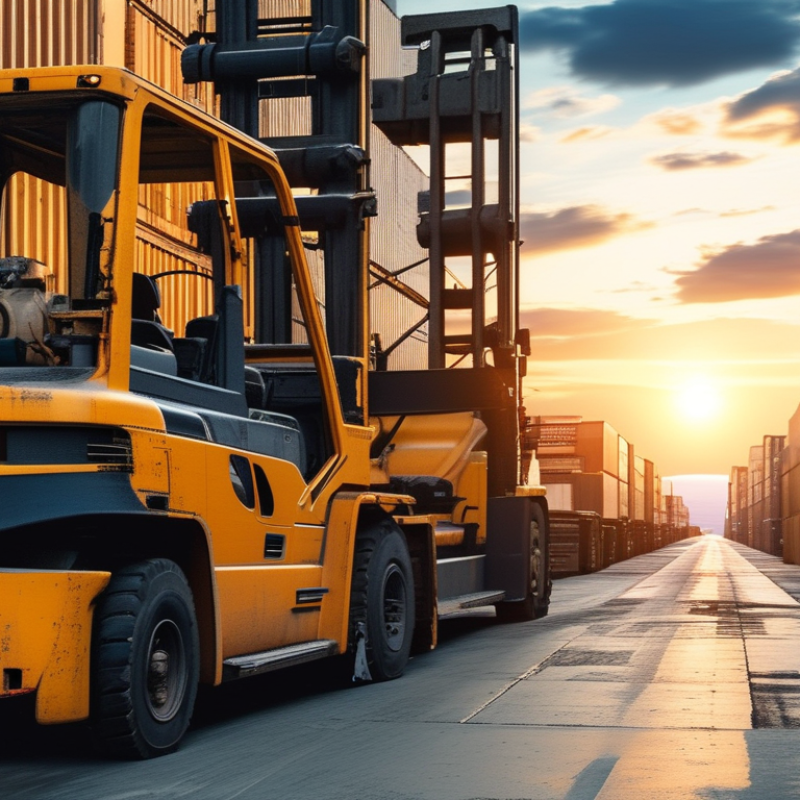
Proper equipment maintenance is essential in logistics operations. Regular checks ensure that all machinery runs smoothly. Broken equipment can disrupt the supply chain. This delay can lead to customer dissatisfaction and financial losses.
Routine maintenance reduces the risk of unexpected breakdowns. Scheduled inspections help identify issues before they escalate. For example, worn-out parts can be replaced timely, preventing larger problems. Workers feel safer when equipment is reliable. Confidence in machinery boosts productivity.
However, many companies neglect maintenance schedules. Cost-cutting can lead to bigger expenses later. A faulty conveyor belt can halt an entire warehouse. Each delay impacts delivery times. Reflecting on maintenance practices is critical for growth and efficiency in logistics.
Equipment failure can have devastating effects on supply chain efficiency. A recent study revealed that 43% of organizations experience equipment downtime annually. This can lead to delays in delivery, reduced productivity, and increased operational costs. The longer equipment remains non-operational, the more strain it places on logistics operations. According to a report from the Logistics Management Institute, the cost of equipment failure can account for up to 20% of a company's total operational expenses.
When equipment like forklifts and conveyor systems fail, it halts processes. A single day of downtime can lead to significant backlogs. Research indicates that such disruptions can cause delays of 24 hours or more. Moreover, these incidents often require last-minute changes to transportation routes, adding additional costs and time pressure. The impact can ripple throughout the supply chain, affecting inventory levels and customer satisfaction.
Understanding maintenance's role is essential. Regular maintenance checks can reduce the likelihood of failure by nearly 50%. However, many companies neglect this aspect. A survey found that only 30% of logistics firms prioritize scheduled maintenance. This oversight can lead to a reactive approach, which is costly and inefficient. Addressing equipment maintenance proactively is key for sustainable operation and optimal performance.
Regular equipment maintenance is essential in logistics. It keeps machinery and vehicles functioning smoothly. This practice reduces downtime and prevents costly repairs. A well-maintained forklift, for instance, ensures safe and efficient operations. Regular checks can identify small issues before they escalate. Keeping a detailed maintenance log further supports this. Each entry provides a snapshot of the equipment's condition.
Best practices include scheduled inspections. Establishing a routine enhances reliability. Technicians should examine critical parts like brakes and tires. Over time, wear and tear can compromise safety. Training staff on proper equipment usage is vital. Employees must report any irregularities immediately. Creating a culture of accountability can lead to better maintenance habits.
Yet, even with the best practices, there’s room for improvement. Sometimes, teams overlook minor repairs due to busy schedules. This can lead to bigger problems later. Striking a balance between efficiency and maintenance is challenging. Reflection on past mistakes can foster better outcomes. Always strive for higher standards in equipment care.
Neglecting equipment maintenance in logistics can lead to significant cost implications. When machinery breaks down, shipments can be delayed. This results in lost revenue and unhappy customers. Repair costs can skyrocket, especially if a piece of equipment fails unexpectedly. Routine checks can seem tedious, but they save money in the long run.
Often, managers overlook the importance of preventive maintenance. They may prioritize short-term gains over long-term reliability. This mindset can create a cycle of stress and loss. A malfunctioning forklift can halt operations. Employees may end up waiting for repairs. During peak seasons, such delays can have severe financial consequences.
Investing in maintenance is not merely an expense; it is an essential strategy. The initial costs of upkeep are often minor compared to the potential losses from equipment failure. Reliable equipment ensures smoother operations and happier clients. Ignoring this aspect can lead to deeper financial troubles. This reality underscores the importance of a proactive maintenance culture. Emphasizing routine checks might feel cumbersome, but it pays off when efficiency is maximized.
Technology has transformed maintenance practices in logistics. The use of data analytics helps identify equipment issues before they escalate. According to a report by McKinsey, predictive maintenance can reduce maintenance costs by up to 30% and increase equipment availability by 20%. These numbers highlight the influence of technology in optimizing maintenance strategies.
IoT devices play a significant role in monitoring equipment health in real-time. Sensors can track performance metrics, sending alerts when anomalies arise. This immediacy allows logistics companies to schedule maintenance proactively. In fact, a survey by Deloitte revealed that 63% of logistics companies are investing in IoT for maintenance improvements.
However, reliance on technology can be a double-edged sword. Systems may fail or become outdated quickly. Training staff to interpret data also poses challenges. This inconsistency in technology use can lead to lapses in maintenance. At the same time, embracing technology consistently reduces the risk of costly downtime. Balancing innovation with practical staff training is essential for effective logistics maintenance.
: Equipment maintenance ensures machinery runs smoothly, preventing disruptions in the supply chain.
Equipment failure can cause delivery delays and increase operational costs significantly.
Routine maintenance identifies potential issues early, reducing the chance of unexpected breakdowns.
A study shows that 43% of organizations experience equipment downtime each year.
A single day of downtime can create backlogs and require last-minute changes in transportation.
Many companies neglect maintenance; only 30% of logistics firms see it as a priority.
Neglecting maintenance leads to a reactive approach, which can be costly and inefficient.
Workers feel safer and are more productive when they trust their equipment reliability.
Regular checks can decrease the likelihood of equipment failure by nearly 50%.
Delays caused by equipment issues can lead to customer dissatisfaction and trust loss.
Effective equipment maintenance is crucial in logistics for several reasons. Understanding why equipment maintenance is important in logistics helps ensure smooth operations and enhances supply chain efficiency. Neglecting maintenance can lead to equipment failures that disrupt workflows, increase downtime, and ultimately hinder service delivery. Regular maintenance practices, such as routine inspections and timely repairs, are essential to prevent costly breakdowns and extend the lifespan of equipment.
Additionally, the financial implications of ignoring maintenance can be substantial. Increased repairs, replacement costs, and lost productivity can severely impact a company's bottom line. Leveraging technology in maintenance practices—such as predictive analytics and automated monitoring—can significantly improve the maintenance process, reducing the risk of failure and enhancing overall operational efficiency. By prioritizing equipment maintenance, logistics companies can foster reliability and sustainability in their supply chains.

Nauti Lift