Material handling operations are integral to various industries, yet they remain a major source of workplace accidents. According to the Occupational Safety and Health Administration (OSHA), improper material handling is responsible for nearly 25% of injuries in the workplace. These statistics highlight the critical need for effective safety measures. Businesses must prioritize how to improve safety in material handling operations to not only protect employees but also to enhance overall productivity.
Developing comprehensive safety strategies can reduce incidents significantly. A report from the National Safety Council indicates that effective safety programs can yield a return on investment of up to $6 for every $1 spent. This emphasizes that investing in safety is not just ethical but also financially wise. It is essential to create a culture where safety is prioritized at all levels of the organization.
However, many companies overlook potential hazards or fail to provide adequate training. It's easy to become complacent and assume that accidents won't happen. Ignoring these risks can lead to severe consequences. By assessing current practices and implementing targeted strategies, organizations can create a safer work environment. Fostering a proactive safety culture is key to ensuring that every employee understands their role in maintaining safety in material handling operations.
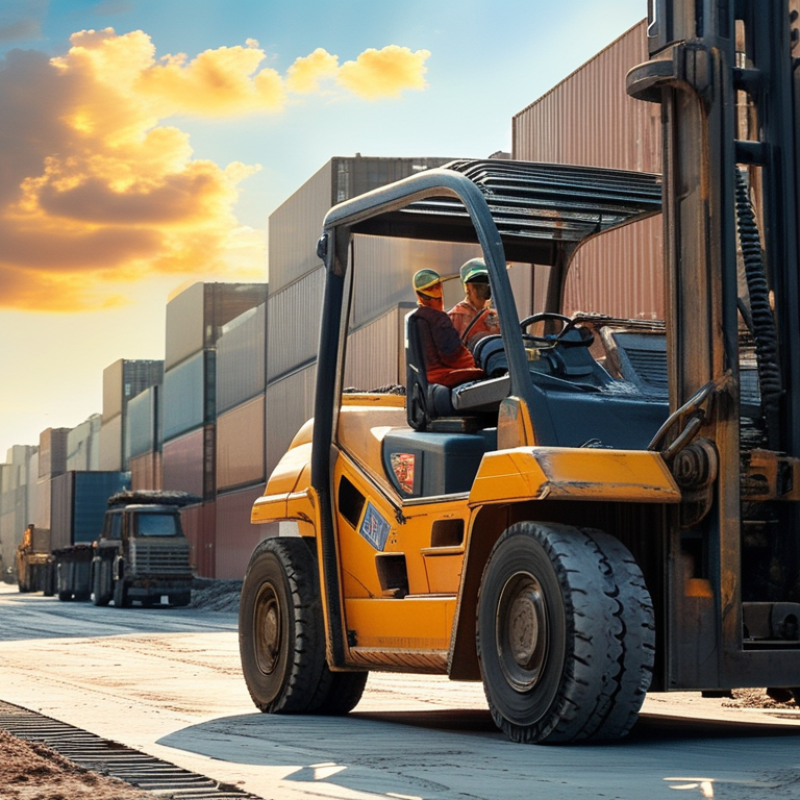
Safety in material handling operations is essential for ensuring a secure workplace. This industry faces numerous risks, from equipment failures to employee injuries. Recognizing the importance of safety not only protects workers but also enhances overall productivity. When employees feel safe, they are more engaged and efficient in their tasks.
Implementing regular safety training is crucial. Employees should be well-versed in proper handling techniques. They need to understand equipment operations thoroughly. Incorporating practical exercises can make training more effective. Real-life scenarios can highlight potential hazards. Regular assessments of these training sessions can pinpoint areas that need improvement.
Encouraging open communication fosters a safety culture. Employees should feel comfortable reporting unsafe conditions. This can help identify risks before they cause harm. Management should actively seek feedback. This practice can lead to adjustments in protocols and procedures, making the workplace safer. Safety commitment must be evident at every level. Ultimately, a proactive approach to safety not only reduces accidents but also contributes to a positive work atmosphere.
Material handling environments pose several risks that can jeopardize worker safety. According to the Occupational Safety and Health Administration (OSHA), material handling injuries account for over 25% of all workplace injuries. Common risks include improper lifting techniques, inadequate training, and equipment failures. These factors can lead to serious injuries, including strains, sprains, and fractures.
In many cases, organizations overlook the importance of training. A survey by the National Safety Council indicated that 70% of employees feel unprepared for safe material handling. Without adequate training, workers might resort to unsafe practices. Additionally, lack of proper equipment maintenance can increase the chances of accidents. For instance, around 10% of lifting equipment failures occur due to neglect. Regular inspections and updates are critical in mitigating these risks.
It’s crucial to proactively identify hazards in the workplace. This includes evaluating the layout, assessing employee workflows, and understanding ergonomics. A study found that workplaces with comprehensive risk assessments reported 40% fewer injuries. Creating an environment where safety is prioritized not only protects employees but also enhances productivity. Ignoring risks can lead to costly consequences and long-term impacts on staff well-being.
Implementing comprehensive training programs for employees is crucial in enhancing safety in material handling operations. A report by the Occupational Safety and Health Administration (OSHA) indicates that over 35% of warehouse injuries are due to improper material handling techniques. By focusing on training, companies can significantly reduce these incidents. Training should cover proper lifting techniques, the use of equipment, and situational awareness.
Training programs must be engaging and practical. Role-playing scenarios and hands-on practice enhance learning retention. According to a study from the National Safety Council, interactive training can improve safety awareness by up to 70%. Regular refresher courses are also essential. They ensure that employees stay updated on compliance standards and safety protocols. Even experienced workers can develop complacency.
Despite the benefits, some organizations still prioritize convenience over thorough training. Inadequate training leads to unsafe practices and increased risks. A culture of safety should be cultivated. Leadership must promote a safe working environment, encouraging employees to voice concerns without fear. Addressing these gaps is essential for a well-rounded safety strategy in material handling operations.
Material handling operations hold significant risks, with the Occupational Safety and Health Administration (OSHA) reporting that lifting and moving items accounts for around 25% of workplace injuries. To mitigate these risks, utilizing the right equipment and technology is essential.
Implementing ergonomic design in tools can reduce strain injuries. For instance, using pallet jacks with adjustable handles can help workers maintain proper posture. Automated guided vehicles (AGVs) also offer a reliable alternative for transporting materials. Reports indicate that AGVs can decrease labor costs by up to 20% while enhancing safety by minimizing human error.
Employ ongoing training programs. Educating staff on proper equipment use can lead to a 70% reduction in accidents. Hands-on sessions with new technologies are effective. Regular assessments of existing equipment can help identify outdated or faulty machinery, which poses safety risks. Mistakes can happen. Regular evaluations allow teams to reflect and adapt.
Invest in real-time monitoring systems to track equipment performance. These systems can provide alerts when maintenance is required, preventing equipment failure that could lead to injuries. Technology should enhance safety, but the human element is equally important. Engaging employees in safety discussions fosters a culture of accountability and awareness.
| Strategy | Description | Equipment/Technology | Benefits |
|---|---|---|---|
| 1. Conduct Regular Training | Ensure all staff are trained in equipment use and safety protocols. | Training Programs | Reduces accidents, increases awareness. |
| 2. Use Ergonomic Equipment | Implement tools designed to reduce strain on workers. | Ergonomic Lifts | Prevents injuries, enhances productivity. |
| 3. Implement Safety Signage | Use clear signs to warn of hazards and provide instructions. | Safety Signs | Improves awareness, reduces confusion. |
| 4. Perform Regular Equipment Maintenance | Ensure all handling equipment is well-maintained and safe to use. | Maintenance Tools | Minimizes breakdown, enhances safety. |
| 5. Use Automated Systems | Implement robotics and automated systems for heavy lifting. | Automated Guided Vehicles (AGVs) | Reduces human error, increases efficiency. |
| 6. Ensure Proper Lighting | Adequate lighting to improve visibility in work areas. | LED Lighting Solutions | Improves visibility, reduces accidents. |
| 7. Regular Safety Audits | Conduct audits to identify potential hazards and rectify them. | Audit Tools | Identifies risks proactively, enhances safety culture. |
| 8. Create a Reporting System | Encourage workers to report unsafe conditions without fear. | Reporting Platforms | Improves communication, fosters accountability. |
| 9. Foster a Safety-First Culture | Promote safety as a core value within the company. | Culture Change Initiatives | Enhances morale, encourages safer practices. |
| 10. Invest in Safety Technology | Utilize advanced technology tools for monitoring safety. | Wearable Safety Devices | Real-time feedback, reduces response time. |
Conducting regular safety audits in material handling operations is vital. It ensures all practices meet safety standards. Regular checks can identify risks or non-compliance issues before they lead to accidents. The goal is to create a proactive safety culture within the organization.
One effective approach is to create a checklist for safety audits. This should cover equipment checks, worker training status, and safety gear compliance. Involve employees in the audit process. Their insights can highlight overlooked areas for improvement. Engagement promotes ownership of safety practices among staff.
Observing safety compliance is an ongoing obligation. Schedule audits regularly, not just annually. Perhaps a quarterly review could be beneficial in maintaining safety standards. Remember, even small lapses can lead to significant risks. Audit findings must be documented and communicated effectively. This transparency will foster trust among team members and ensure a safer workplace for everyone.
: Safety ensures a secure workplace and protects workers from injuries. It also boosts productivity.
Incorporating practical exercises and real-life scenarios can greatly enhance the effectiveness of safety training.
Open communication allows employees to report unsafe conditions. It helps identify risks early and makes the workplace safer.
Regular assessments and updates to training sessions are necessary to identify areas needing improvement and keep employees informed.
Ergonomic tools, such as pallet jacks with adjustable handles, can minimize strain injuries and promote better posture.
Automated guided vehicles (AGVs) reduce human errors and labor costs, enhancing overall safety during material transportation.
Engaging employees in safety discussions fosters accountability and awareness, leading to better adherence to safety protocols.
Continuous training can lead to a significant reduction in accidents, keeping staff informed about proper equipment use.
These systems alert teams when maintenance is needed, preventing equipment failure and potential injuries.
Regular evaluations should identify outdated machinery, allowing teams to reflect and make necessary upgrades for safety.
In order to enhance safety in material handling operations, it is essential to first understand the significant risks involved in these environments. Recognizing common hazards allows organizations to proactively address them and create a safer workplace. A key strategy to improve safety in material handling operations is the implementation of comprehensive training programs, which equip employees with the necessary skills and knowledge to handle materials safely and efficiently.
Additionally, utilizing proper equipment and technology plays a critical role in minimizing risks. Organizations should focus on regular safety audits and compliance checks to ensure that safety standards are consistently met. By continuously assessing and improving safety measures, companies can foster a culture of safety that not only protects employees but also enhances operational productivity.

Nauti Lift