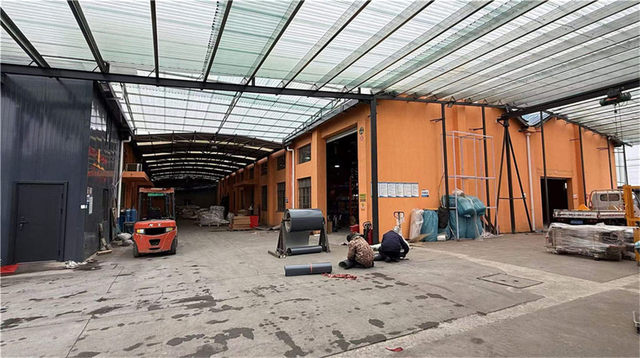
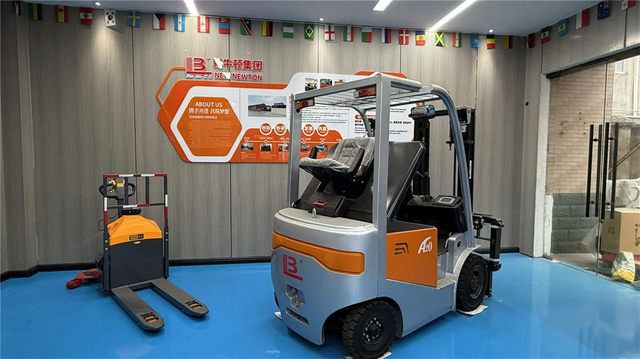
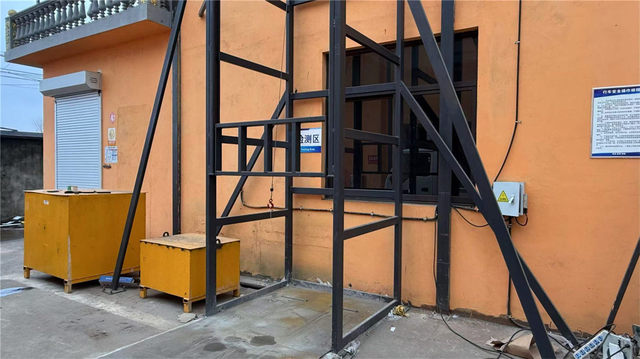
Explore our premium machinery inventory, bridging heavy conveyancy with automated distribution assets.
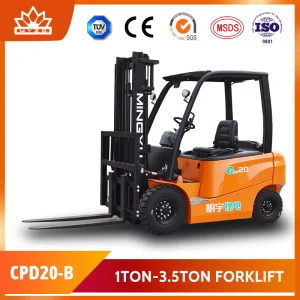
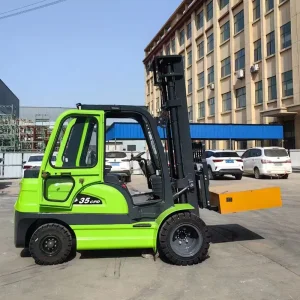
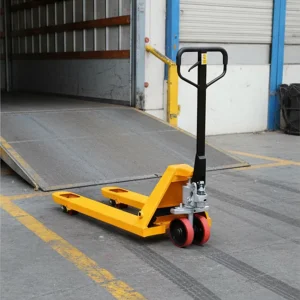
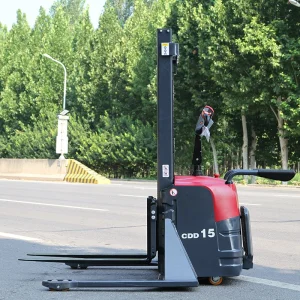
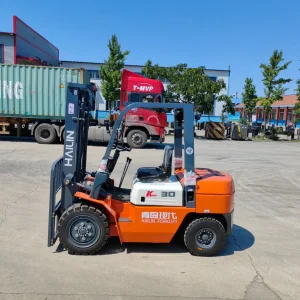
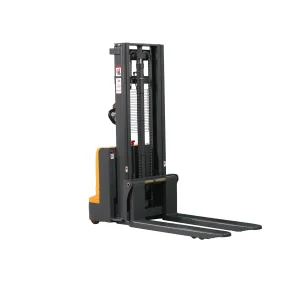
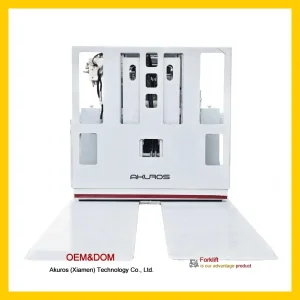
Qingdao Nauti Lift Co., Ltd. is a globally distinguished manufacturer and system integrator specializing in electric, diesel, and internal combustion material handling configurations. Our core competency lies in synthesizing heavy material handling machinery (such as customized heavy-duty forklift fleets and specialized AGVs) with high-efficiency, bespoke conveyor systems.
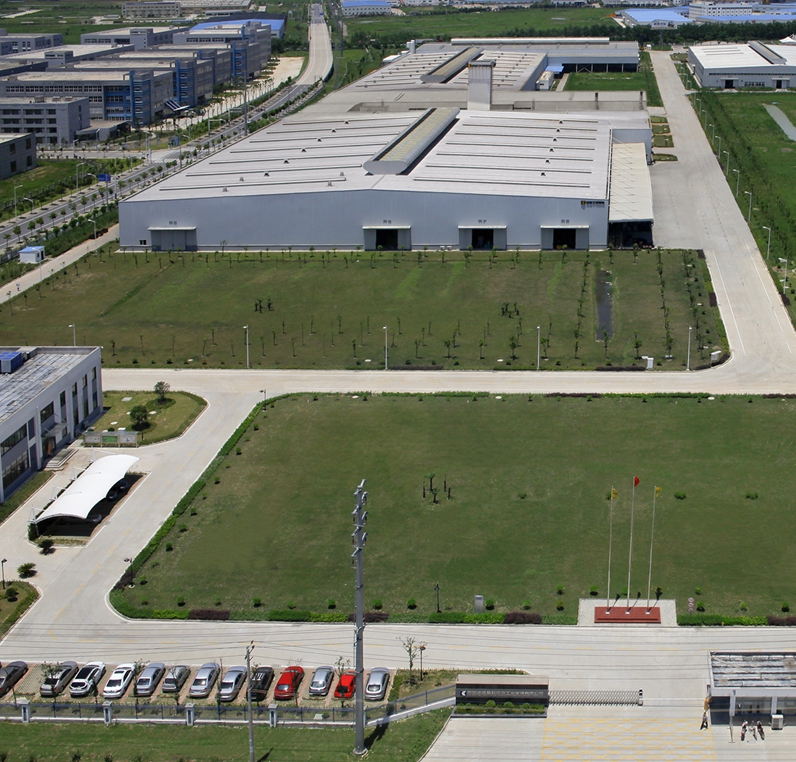
Strategically situated in the high-tech coastal industrial sector of Qingdao, China, our advanced facility bridges supply chain density with maritime logistics agility. By deploying top-tier CAD/FEM engineering methodologies, our material handling assets—ranging from modular, heavy-duty industrial belt conveyors to high-load intelligent material transfer lines—achieve optimal structural integrity and energy efficiency.
We pride ourselves on offering comprehensive OEM and ODM support. Whether designing a high-capacity bulk material belt conveyor for aggregate ports or custom-engineering cleanroom modular conveyors for packaging plants, our teams develop systems that integrate smoothly with warehouse inventory, AGVs, and industrial pallet stackers.
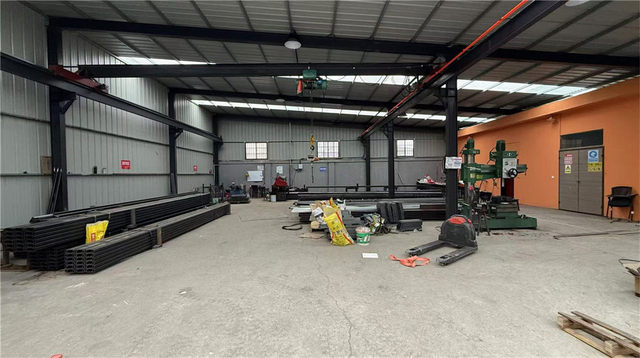
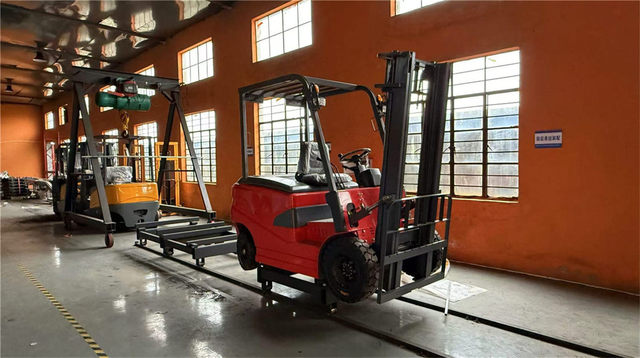
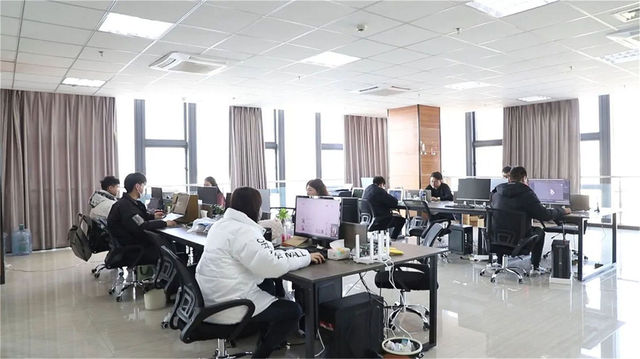
A comprehensive whitepaper analysis of engineering design principles, component specification, and system configuration for global applications.
For modern industrial applications, standard, pre-fabricated material handling setups often fall short. Heavy-duty belt conveyor systems must be customized to suit specific materials (from mineral ores to retail packaging), throughput speeds, environmental demands, and workspace configurations.
A robust belt conveyor system relies on key, heavy-duty components designed for longevity and minimal friction:
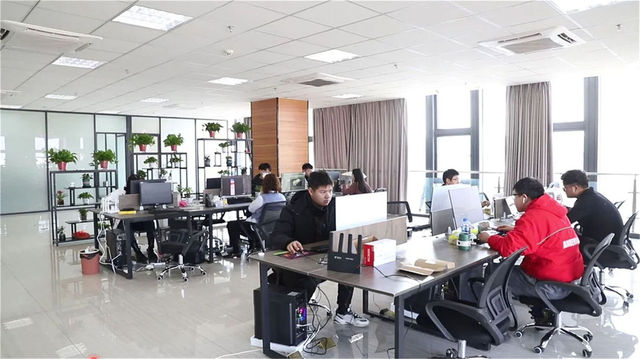
How we tailor conveyor dynamics to deliver maximum uptime, system compatibility, and operational safety.
We utilize dynamic modeling and finite element analysis (FEA) to simulate truss deflection, structural resonance, and drive torque profiles. This prevents structural fatigue and extends the lifespan of the frame, even in high-tonnage mining and quarry operations.
Misalignment is a primary cause of edge wear and material spillage. Our systems use mechanical tracking idlers, edge-detecting sensors, and dynamic auto-aligners to keep the belt centered on the drive axis, reducing maintenance overhead.
For downhill or long-distance conveyor runs, we integrate smart regenerative drive modules. These modules convert gravity-induced kinetic energy back into usable electrical power, lowering energy consumption across the plant.
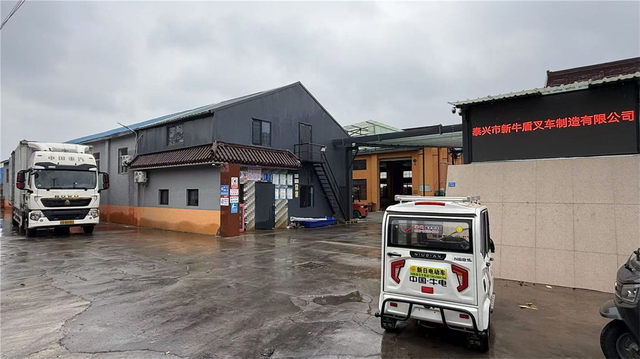
Sourcing large-scale conveyor installations from Qingdao, China, provides distinct competitive advantages for global buyers, blending advanced production technology with highly efficient transport networks.
Integrated Material Ecosystems: Our facility utilizes local access to high-grade structural steel, precision roll-forming shops, and world-class casting foundries. This density keeps component costs manageable while maintaining strict material quality.
Turnkey Manufacturing Agility: With a skilled engineering workforce and advanced automated welding robot lines, we accelerate lead times from design validation to freight loading. Project timelines that typically take months can be compressed significantly without compromising on quality.
Deep Maritime Logistics Integration: Located near the Port of Qingdao, we offer direct shipping options that minimize inland transit fees and shipping delays. Our logistical reach ensures hassle-free delivery for oversized frame weldments and structural trusses.
Ensuring system safety, regulatory alignment, and reliable support across international operational hubs.
Our design and manufacturing teams strictly adhere to global standards, including CE directives, OSHA guidelines, CEMA (Conveyor Equipment Manufacturers Association) standards, and ISO 9001 protocols. This ensures smooth safety audits during site commissioning.
We collaborate with regional engineering partners to provide field measurements, structural calculations for local wind/seismic loads, and on-site assembly supervision. This ensures our equipment integrates seamlessly with your existing layout.
We standardize crucial components—such as bearings, gearboxes, motors, and electrical sensors—using globally recognizable brands (e.g., SKF, SEW-Eurodrive, Siemens, ABB). This makes it easy to source replacements locally and minimizes operational downtime.
How our custom belt conveyor systems integrate with warehouse machinery, forklifts, and automated guided vehicles (AGVs) to build unified industrial transport loops.
For procurement officers, engineering consultants, and operations managers at large industrial plants, selecting a supplier for conveyor systems involves several critical factors:
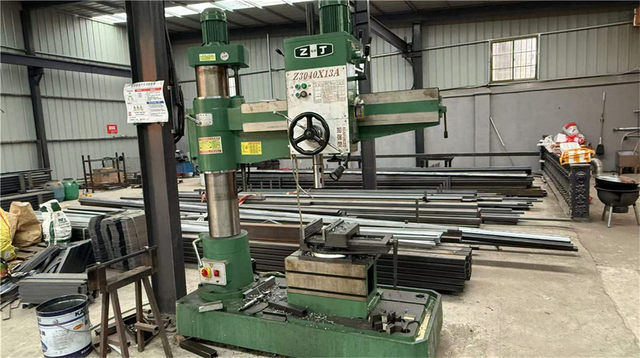
Detailed answers to help you plan, specify, and integrate your industrial conveyor systems.
For high-impact applications (like rock, mineral ore, or coal conveying), multi-ply rubber belts reinforced with EP (polyester warp/polyamide weft) fabrics or internal steel cord tension members are ideal. They offer high tensile strength, minimal elongation, and excellent resistance to tearing. Additionally, we integrate rubber-cushioned impact idlers at feed zones to absorb drop energy and protect the belt.
Belt slippage is addressed through several key design adjustments: choosing a suitable drive pulley diameter, using high-friction vulcanized rubber lagging (available in diamond or ceramic textures), and installing an automated gravity take-up unit or screw tensioner to maintain correct slack-side tension. We also offer snub pulleys to increase the wrap angle around the drive pulley by up to 210 degrees.
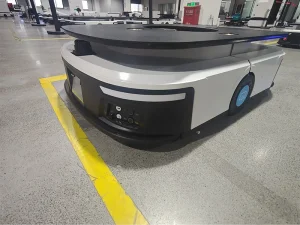
Yes. Our conveyor control systems use PLC interfaces (such as Profinet, EtherNet/IP, or Modbus TCP) to connect directly with your warehouse management software (WMS) and automated equipment. At transport hand-off points, optical sensors and mechanical interlocks coordinate the conveyor speed with AGVs (such as our 600kg Latent Lifting AGV) and stacker cranes to automate pallet loading and unloading without manual intervention.
Lead times vary depending on system complexity. Our typical timeline begins with CAD layout approval within 7 to 14 days, followed by raw material preparation. Production usually takes 30 to 45 days, including assembly, dynamic testing, and trial runs of the drive systems. For urgent projects, we can optimize scheduling by utilizing pre-fabricated structural modules.
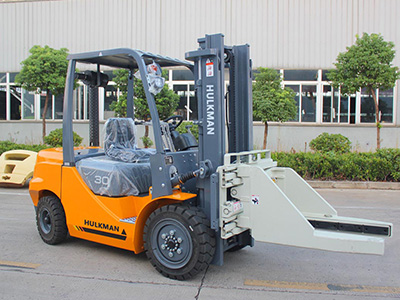
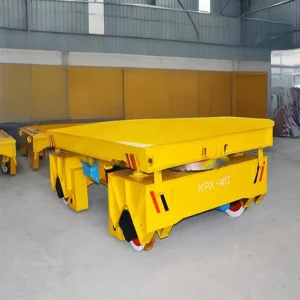
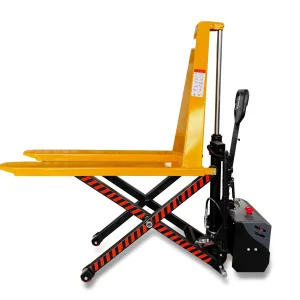
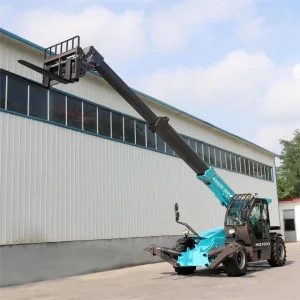
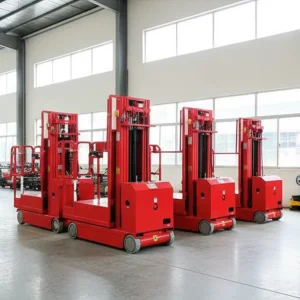
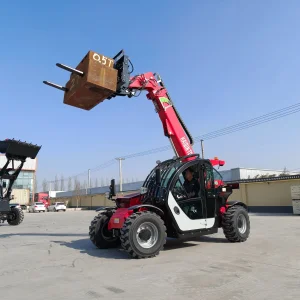
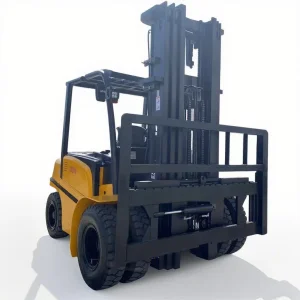
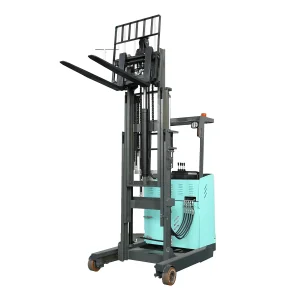
Complementary material handling systems designed to work alongside conveyor hubs to optimize logistics workflows.
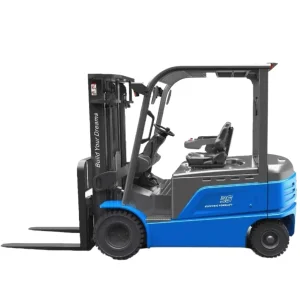
 Nauti Lift